
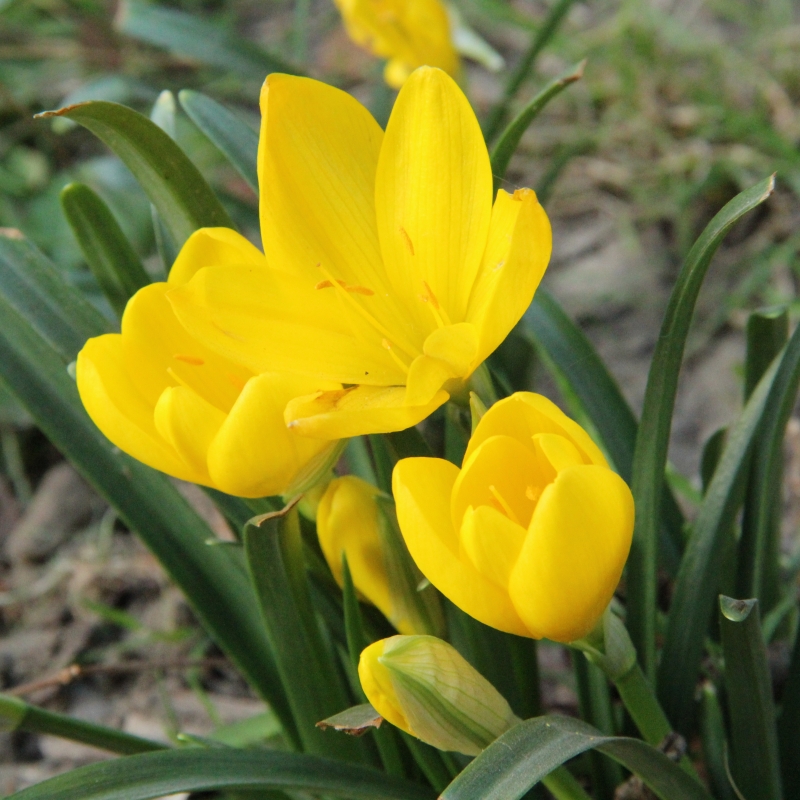
 Tulips are one of the great glories of the spring garden. It doesn’t matter what types you choose—singles, doubles, fringed, lily-flowering, or species—all are rainbow-hued avatars of the growing season to come. If I could have a garden full of them, I would be in heaven.
There is only one problem—competition from backyard varmints who are as wild about tulips as I am and a lot less discriminating. I don’t know the population statistics for mice, voles, squirrels and groundhogs, but I do know that the suburban deer population has risen exponentially over the last few decades. Warmer winters mean more available food for deer, and greater food availability means more pregnancies and greater chances that does will bear twin offspring. It takes a lot of vegetation to support those big bodies, and if you grow tulips, chances are you are going to have to deal with a hungry deer population.
What to do? Some gardeners I know have abandoned tulips completely in favor of daffodils, which are not generally attractive to deer. Others have tried raising tulips in pots positioned on raised porches or other areas less accessible to the most common deer species, Odocoileus virginianus, or Eastern white-tailed deer.
That approach works best if you plant the tulips in the fall and store the containers in an unheated garage, sun porch or other space. When spring arrives, you bring out the pots and if you are lucky, the bulbs will be sprouting. Problems are more likely to occur if the pots are exposed to outdoor weather and subject to the repeated freezing and thawing cycles that increasingly prevalent in cold winter areas. This is why some bulb retailers, like John Scheepers, advise against planting tulips in containers, raised beds or window boxes.
Some guides suggest planting tulips close to the house or near plants that smell unappealing. This also works sometimes, but hungry deer, especially those acclimated to suburban life, may not be terribly shy about dining on the Darwin hybrids growing just under the dining room window.
So, what can you do if you are determined to have tulips in your spring garden? Installing deer fencing is probably the best idea but may not be viable for many people. The fencing also won’t keep out the critters that dine on bulbs, including the squirrels who may simply dig up the tulips and fling them aside.
The best recipe for success is to use a combination of approaches, possibly starting with a small-scale planting in one area of the garden. Before installing the bulbs in the fall, spray them with a repellant. Plant in groups housed in containers made of large wire or plastic mesh, which allows the tulips to sprout through the mesh, but keeps out animals. The containers are available online and can often be reused.
When spring rolls around, be vigilant for signs of sprouting. The minute you see nubbins of growth, start applying animal repellent. Look for brands that do not have to be reapplied after every rain shower. It may help to sprinkle the ground around the young tulips with red pepper flakes or other highly scented substances. Mint or lavender may work as well. If you have succeeded in growing the bulbs in containers and they have come through the winter, spray the containers. Do not assume that your lovely tulips are safe because they are in containers on porches. While deer have not yet figured a way to climb steps, squirrels have been known to make the trek to second story porches just for the fun of digging in plant pots.
If all of that seems like an awful lot of work, you should really do a cost benefit analysis. Tulips bulbs are expensive, especially in this era of high tariffs. If you really love them and are willing to put in the effort required to ensure a good return, go ahead and invest. If not, there are plenty of other bulbs, like daffodils and alliums, that are beautiful, floriferous, and less likely to be sought out by Peter Rabbit, Mr. Antlers, or the lean and hungry spring groundhog.
And, of course, there is always the element of randomness. I have found that deer are somewhat fickle in my suburban neighborhood. Some years they devour every unprotected tulip in sight. Other years the local herd has business elsewhere and ignores my garden completely. It seems axiomatic that in the years when I am either too busy or too smug to protect my tulips, the deer arrive in droves.
The moral of the tulip story is that you can’t always win with varmints, but you can give them a run for their money, which will often lead to gratifying results.