
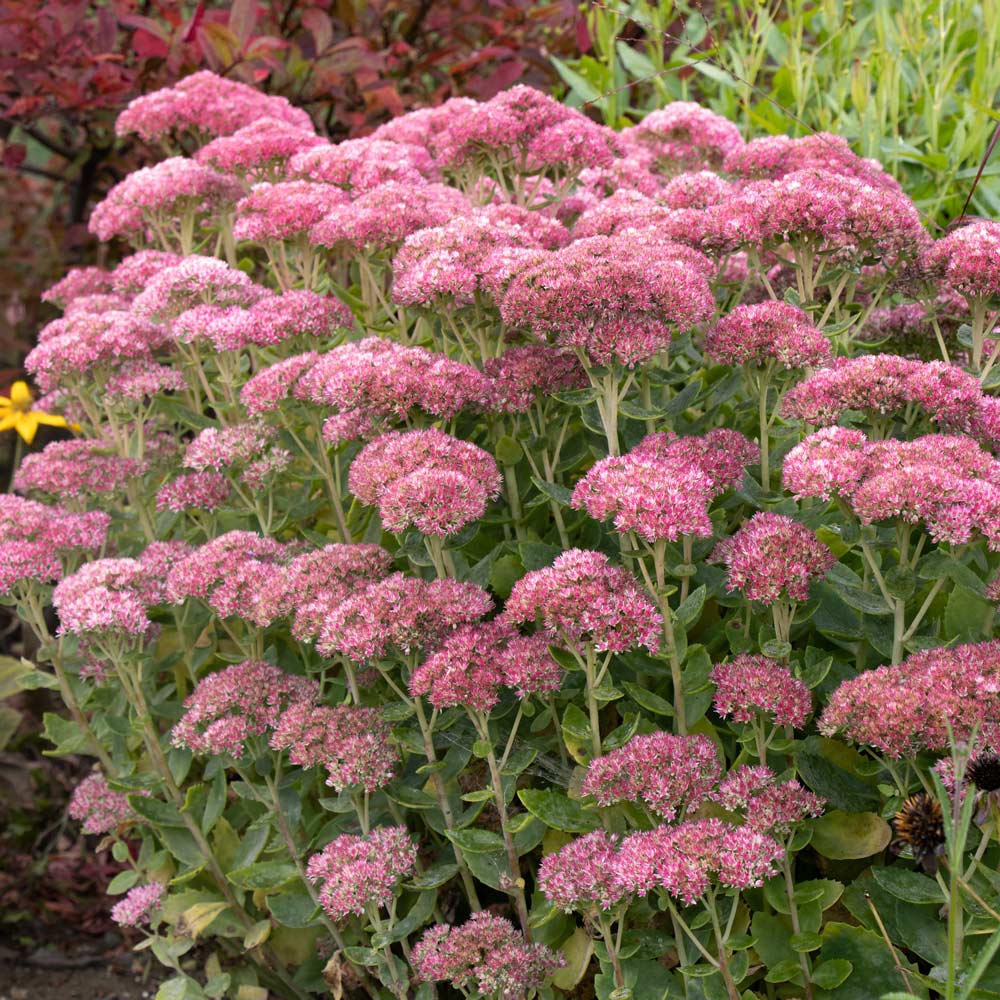
 I used to mope over the advance of fall, as I contemplated life without my garden flowers, the restorative time spent gardening, and the bouquets that I pick for my house. I grew morose, plucking up as many roses as possible when hard frost threatened and generally carrying on as if horticultural Armageddon was just around the corner. The Grim Reaper seemed to step away from the neighbors’ Halloween display to walk hand in hand with me as I cut back the endless swathes of fading perilla mint. It was positively gothic.
This year I have a different mindset. Time in the garden has been scarce the last few weeks, so there is much to be done just to get the overgrowth under control. It may be rationalization, but now I think that fall is not about mourning, but about expectation and preparation. This new approach is the result of a personal evolution. Over the last few years, I have become increasingly aware of the equinoxes and solstices, those quarterly events that mark the changes in the hours of light and darkness. We passed the autumn equinox on September twenty-second and are heading towards the great winter solstice on the twenty-first of December. After that, daylight will gradually return. Now is the time of preparation for that annual process. It is also a time to reflect on the successes of the gardening season just past and bestow a metaphorical pat on the pat on the back for a job well done.
All plants are daylight sensitive, though some, like the garden chrysanthemums, take it to extremes, waiting until the days shorten to even think about producing blooms. Their cousins, the garden center mums, would do the same thing, but wholesale growers have tricked them into early flowering by cleverly manipulating light and darkness. The asters, now in the midst of their glorious flush of autumn splendor everywhere from gardens to crowded hedgerows, are preparing for the big sleep by blooming joyously then setting seed and dispersing it with all their might. I used to put off cutting back my asters to save the seedheads for the birds. That act of altruism resulted in hundreds of baby asters. Now I know that just as the asters are prepping for next year by dispersing seed at warp speed, I should be cutting back at least some of the stalks at a deliberate pace. There will still be plenty for the birds.
Now I await the imminent arrival of the mail order bulbs. In the coming weeks I can reinforce the preparatory urge by taking a handful of crocus bulbs with me whenever I go out into the garden and planting them in the beds. I hope that they will sprout in abundance next spring, having been primed for their big moment by sleeping underground for five months.
Now that I have found a remedy for the October doldrums, I am ready to be happy and creative in the garden. Like the asters, the perennials and annuals are not just creative, they are downright procreative, and the feeling must be contagious. Think of all those spring-flowering bulbs—including the crocuses–newly planted in the earth. Each one already contains the embryo of the flower that will shoot up next spring. All it needs is rest and gestation in the cold garden soil. All of the asters, morning glory, perilla, larkspur and other seeds flying about as I cut back the stalks will land on the ground and undergo cold stratification, a process that they require in order to sprout next spring. The cimicifuga and the butterfly bushes, blooming now in honey-scented glory, are providing food to late season pollinators, prior to setting seed for next year. A few of the roses are also feeding the pollinators by pushing out blooms, while the others are setting hips that contain enough seeds to ensure the survival of their species, if not their heavily hybridized varieties.
Out of the corner of my eye, I see Art Wolk’s wonderful book on forcing bulbs, Bulb Forcing for Beginners and the Seriously Smitten. This is another way of preparing and looking ahead. I will take some of the bagged bulbs that are currently clogging the aisles of every store in the area and set them up for forcing. Wolk is a master of demonstrating how easy it is to do so with just a small amount of forethought. By skipping the lolling and lamentation that normally occupies my time as the growing season winds down, I will have the energy to get some bulbs organized for late winter bloom. I have visions of forced hyacinths perfuming the air in February. The Grim Reaper will just have to sit and sulk on the neighbors’ porch.