
 When the weather is cold and blustery the best thing gardeners can do is water all the houseplants—sparingly—and hunker down with the new garden catalogs and/or websites. I prefer the paper variety, but I am old school. So many vendors have gone to online-only offerings that I have to resort to the computer to get a full picture of what is new and different for spring.
Still, I miss the days when the late-lamented Song Sparrow Nursery catalog would arrive, plump with potential and filled to bursting with luxurious color pictures of extraordinary daylilies and peonies of all sorts. It was the ultimate calorie-free January feast and even though it threatened to leave me lighter in the pocketbook, I reveled in it.
However, time only marches in one direction and I can still revel in the many new offerings that vendors have showcased for spring.
The word of the day, month, and year for gardeners is “pollinators”. Just about every catalog and website is showcasing pollinator-friendly plants and landscapes, in the hopes of boosting our garden, porch, window box and container ecosystems. Naturalistic planting, with emphases on prairie perennials and grasses, comes right behind pollinators on the fashion wave, helping the pollinators while increasing garden sustainability. Drought-tolerant plants and species that can survive extreme weather round out the popularity pack.
Most of us love all those things, but we look for beauty, toughness, and, in the case of edibles—good taste and high yields. Fortunately, we can have it all, or at least the merchandisers’ descriptions say so. I am in the midst of figuring ways of “having it all” without having to part with all my money.
Echinacea has been hotter than hot for more than a decade and the heat persists. New bi-colors, like ‘White Tips’, with lavender petals edged in bright white, increase the color possibilities, while double-flowered ‘Raspberry Ripple’ adds yet another entry in the fluffy flower category. The trend for unusual petal configurations—quilled, spoon-shaped, or spidery—has resulted in echinaceas like ‘Prima Spider’, a bi-colored variety with slender spoon-shaped petals.
The ever-expanding echinacea array is mirrored by the number of new annual zinnias, botanical cousins of the coneflower clan. The Queeny series of Zinnia elegans varieties includes opulent double-flowered entries like ‘Queeny Red Lime’, a bi-color with rose pink outer petals surrounding shorter, lighter inner petals. Other unusual colors include ‘Queeny Lemon Peach’ and ‘Queeny Orange’.
Double-flowered varieties of just about every ornamental species are popping up all over the place, seemingly part of the horticultural zeitgeist in these uncertain times. The simplicity of traditional primroses or Primula has been superseded by the lushness of doubles, like Bluestone Perennials’ new double-flowered ‘Violetta’ and ‘Watercolor Blue’.
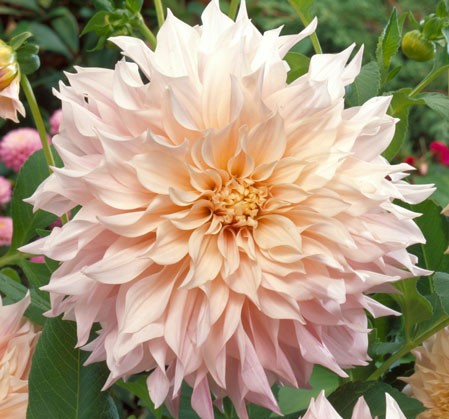
Dahlia fever continues unabated, with lots of new entries for Spring 2026. Once reviled as common and kitschy, dahlias now take center stage everywhere. Swan Island Dahlias, an old, reliable vendor based in Canby, Oregon, lists no fewer than 16 online pages of new varieties. It is only late January and some of them have already sold out. Hang on to your tubers!
With fewer younger gardeners able to afford their own homes, container gardening more popular than ever. White Flower Farm, which used to pride itself on showcasing elegant perennials like delphiniums and begonias, now positions ready-made container gardens—with or without attractive pots and saucers—front and center in their spring catalog. These pre-selected assortments are more expensive than purchasing the various elements and assembling them yourself, but they provide instant color and take away any hesitation novice growers might have about which plants work well together.
And if you want convenience, plus pollinator-friendly native plants, you can have it all by ordering the hottest North American natives from vendors like Prairie Moon Nursery. Pre-selected assortments include the “Colossal Pollinator Garden”, the smaller “Pollinator Patch” or the even more compact “Pollinator Power Pack”. You can also mix and match varieties on your own.
The cost of plants—including shipping—has gone up along with everything else, but most of the gardeners I know are savvy shoppers. Plants can still provide cheap thrills and great satisfaction in a million different ways.